
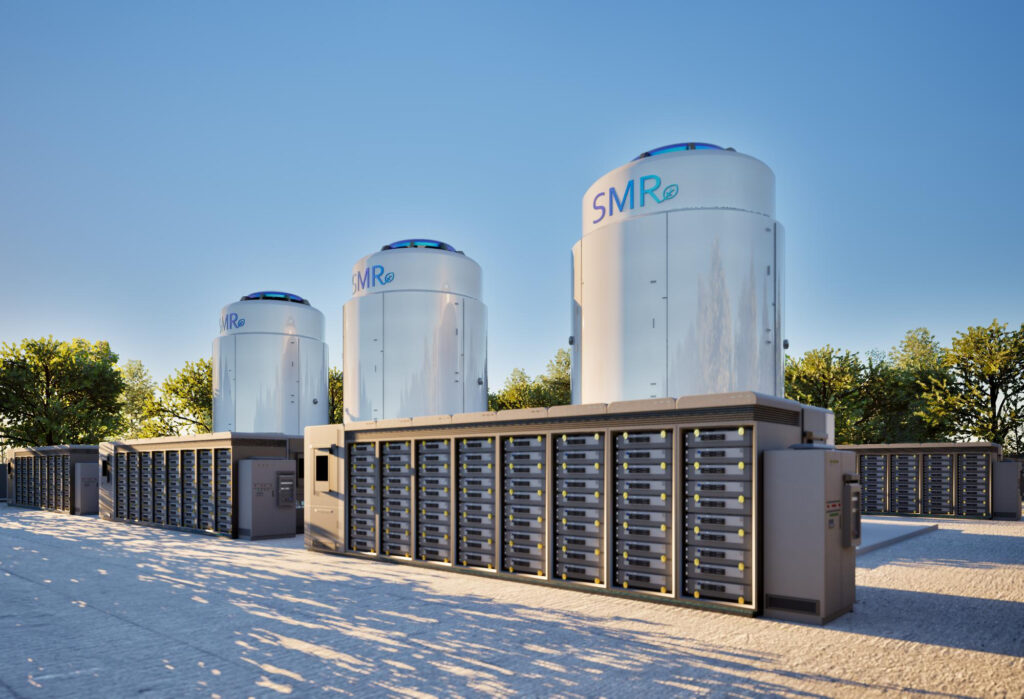
As small modular reactors move from concept to commercialization, the conversation around nuclear energy is shifting. It is no longer centered only on reactor design. It is increasingly about supply chain readiness, production consistency, and the ability to qualify dependable manufacturing partners for critical components.
For turbine OEM buyers and nuclear suppliers, that shift matters. The success of SMR programs will depend not only on engineering innovation, but on the strength of the suppliers behind each assembly, subsystem, and production schedule. Precision turned components play an important role in that equation because they support the performance, reliability, and repeatability required in highly regulated energy applications.
For companies evaluating long-term suppliers, this is where a machining partner like JR Machine becomes relevant. The right partner does more than make parts to print. They support production continuity, documentation discipline, and the kind of repeatable quality needed for energy generation projects where tolerance, traceability, and trust all carry weight.
Why Precision Turned Components Matter in SMR Applications
SMRs are designed to bring greater flexibility to nuclear power generation. Their smaller footprint, modular construction approach, and potential for scalable deployment have made them a major focus across the energy sector. But the promise of SMRs also creates new pressure on the supply base.
Every component within an SMR-related system must contribute to reliable operation. Precision turned parts are often used in assemblies that require exact geometry, consistent concentricity, tight dimensional control, and predictable material performance. Depending on the application, these components may support fluid handling, sealing surfaces, rotating equipment, instrumentation, or structural interfaces where even slight variation can affect fit, function, or service life.
That is why machining with tight tolerances for energy generation projects is not a secondary concern. It is a foundational requirement. In nuclear-related manufacturing environments, precision supports more than performance. It also supports qualification, repeatability, and confidence throughout supplier review.
The SMR Opportunity Is Also a Supplier Vetting Process
As SMR programs advance, OEMs and upper-tier suppliers are taking a closer look at manufacturing partners that can support long-term production needs. Early supplier selection is about much more than machine availability. Buyers are asking bigger questions:
- Can this supplier hold tight tolerances consistently over repeat production runs?
- Do they have the process discipline required for complex energy applications?
- Can they support documentation, traceability, and evolving program requirements?
- Are they equipped to scale from prototype and pre-production work into sustained manufacturing?
These are important questions because SMR projects are not one-off builds. They represent a long-term market opportunity that will require reliable supply partners over time. A shop that can produce a quality part once may not be the same shop that can support a production program for years with consistency and responsiveness.
That is why supplier vetting is such a critical part of the current SMR landscape. Buyers are looking for production partners, not just job shops.
What OEM Buyers Should Look for in a Machining Partner
For turbine OEMs and nuclear suppliers, choosing a machining source for precision turned components should involve a broader evaluation of manufacturing readiness. Technical capability matters, but so does operational maturity.
A strong long-term partner should demonstrate the ability to control part quality from first article through repeat production. That includes stable machining processes, inspection discipline, and the experience to work with demanding materials and geometries. It also includes a clear understanding of how small dimensional variation can create downstream issues in energy systems.
Machining with tight tolerances for energy generation projects also requires a mindset built around process control. Shops serving advanced energy markets should be prepared to support inspection requirements, maintain part-to-part consistency, and communicate clearly when specifications, lead times, or engineering adjustments affect production.
Equally important is traceability. In energy and nuclear-adjacent applications, material accountability and manufacturing documentation are not optional. Buyers want confidence that their supply partner understands the importance of controlled processes, clean records, and production transparency.
How Precision Supports Long-Term SMR Production
One of the defining characteristics of SMRs is modularity. That brings major advantages for deployment, but it also raises the standard for manufacturing repeatability. When systems are built with a modular approach, components need to fit and perform consistently across multiple units and production cycles.
Precision turned components support repeatability by helping ensure alignment, sealing integrity, balanced rotation, and proper interface with mating parts. But achieving those outcomes depends on more than equipment. It requires a supplier that can translate engineering intent into reliable, repeatable production.
That is where long-term value is created. A capable machining partner helps reduce variability, improve confidence during qualification, and support smoother production as programs mature. For buyers, that can mean fewer disruptions, stronger supply continuity, and a better path from development to sustained manufacturing.
JR Machine’s Role as a Long-Term Production Partner
JR Machine is well aligned with what OEM buyers and nuclear suppliers need from a precision machining partner in this environment. The company’s focus on tight tolerance manufacturing, production discipline, and quality-driven execution positions it to support energy generation projects that demand consistency over time.
For SMR-related opportunities, that matters. Buyers are not only looking for a supplier that can make a component. They are looking for a partner that can support production requirements as volumes, qualification expectations, and supply chain demands evolve.
JR Machine understands that machining with tight tolerances for energy generation projects requires a long-view approach. It means building repeatable processes, maintaining accountability throughout production, and delivering the level of precision that complex energy systems demand. It also means being prepared to support customers as programs move from early sourcing discussions into full production realities.
For turbine OEM buyers and nuclear suppliers, that type of partnership can create a competitive advantage. When a machining supplier brings consistency, responsiveness, and production-focused thinking to the table, it becomes easier to plan with confidence.
Looking Ahead
SMRs are expected to remain a major area of focus in the energy sector, and supplier decisions made now may shape production success for years to come. As the market grows, the manufacturers that stand out will be those that can combine precision with reliability, and technical capability with long-term partnership value.
Precision turned components may be small in size, but their role in advanced energy systems is significant. For buyers building the future of nuclear energy, the right machining partner can help turn design intent into dependable production.
JR Machine is prepared to be part of that conversation by supporting the precision, consistency, and production readiness required by modern energy programs.
If your team is evaluating suppliers for SMR-related work or other energy applications, visit JR Machine to learn more about their approach to precision manufacturing and long-term production support.
